Tools we built for ourselves, then shipped.
We only build products we use every day. That keeps them small, quick and honest about what they do, and it means the people fixing the bugs are the people who hit them first.

Tight scope, built to last.
We don’t chase a roadmap of everything a product could do. We decide what it’s for, make that excellent, and keep it working.
-
01
We use it first
Every product runs in our own daily work before anyone else sees it. If something annoys us, it’s fixed before it ships.
-
02
Small on purpose
One job, done well. We’d rather turn down a feature than bury the thing that made the product worth using.
-
03
Light by design
An ~8 MB daemon, pages that load before you notice. Resource use is something we design for, not a clean-up job for later.
-
04
Built to outlast the hype
Proven stacks, plain data formats, and upgrades that don’t break your setup. New technology only where it earns its place.

Yerd
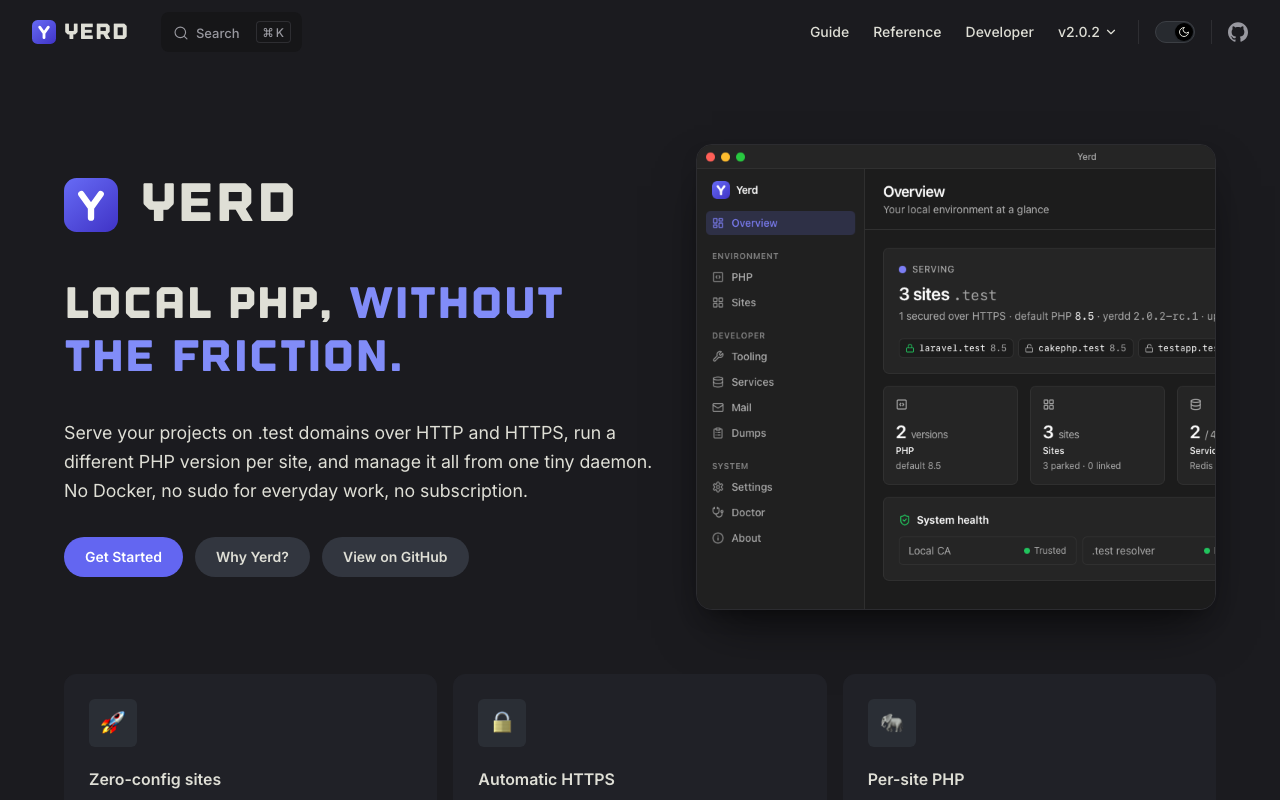
Local PHP without the friction. A ~8 MB Rust daemon serves your projects on .test domains over trusted HTTPS, runs a different PHP version per site, and handles databases, mail and Composer. No Docker. No VMs.
- Setup elevates once — the daemon and CLI run as you
- No Docker, no VM, no Electron, no subscription
- Batteries included: MySQL, Postgres, Redis, mail capture
- Self-diagnosing with yerd status and yerd doctor

mdbin
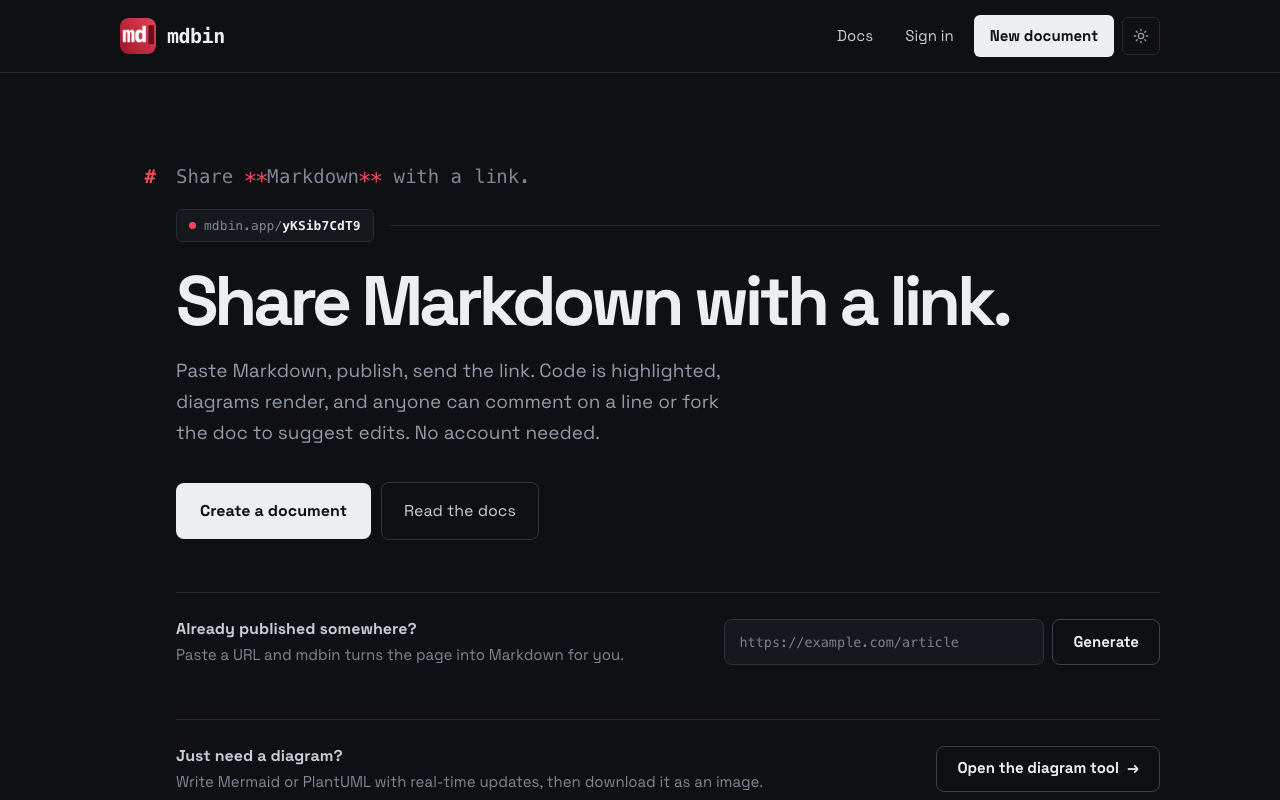
Share Markdown with a link. Paste, publish, and get a clean shareable URL. Code is syntax-highlighted, Mermaid diagrams render, and anyone can comment on individual lines or fork your doc to suggest edits.
- Syntax-highlighted code and Mermaid diagrams
- Comment on individual lines
- Fork a doc to suggest edits
- No account required
How a product gets to you.
Nothing ships because a launch date says so. Every product follows the same path, and the last step doesn’t end.
-
1
Built for us
It starts as a fix for something that slows our own work down.
-
2
Used for real
It runs in our day-to-day work for months before anyone else sees it.
-
3
Shipped deliberately
It launches with docs, a changelog, and a plain account of what it does and doesn’t do.
-
4
Looked after
Fixes, releases and answers carry on after launch. If we ever retire something, you’ll hear it from us first, with time to move.
Some of it, we give away.
Yerd is free under MIT, and we release libraries like Inertia Table the same way. Our open-source page sets out what we promise when we do, and the projects we help carry.
Got something that has to keep working?
Tell us what you’re building and what it has to survive. We’ll start with a conversation, not a proposal — and an honest answer about whether we’re the right studio for it.